Request for
Community
Give it five or ten minutes. Maybe even bring an idea.



What is this?
We’re building Memecoin Chess: an early, playable experiment in changing boards, pieces and rules, and discovering games people want to play again.
The larger ambition is to explore how chess can evolve, how value might move through games, and whether the people advancing that exploration can build a regenerative public good together. Shared tools, community decisions and rewards for meaningful contributions are all possibilities to test, not conclusions we’ve reached.
We’re calling this an RFC: a Request for Community. Like a request for proposals, it’s an open invitation to help shape what happens next. Our feeds can keep us inside our own little worlds. We’d like to open a door, vibe code together, and see what happens when chess players, game designers and curious people exchange ideas.
What’s in it for you?
Give it five or ten minutes. Challenge a friend. Tell us what works and what doesn’t. If it interests you, invent a piece, shape a variant, suggest a UX improvement, propose a feature or help evolve the economy.
Our Request for Community has no preset closing date. It might take two days or five years to find our people. Once a founding community exists, that community will decide if and when to close the invitation.
Everyone who joins while it’s open will be included in the founding community, receive an RNNR welcome airdrop, and be recorded for a potential future Chess-token distribution, should the community decide to launch one. Airdrop amounts and timing are to be determined.
That’s the welcome. The larger opportunity is to build something people want to play and share in the value it creates. Useful feedback, a popular piece or months of quiet work could earn further rewards, including recognition after their value becomes clear.
We want the early upside associated with founders and angel investors to include people who invest time, imagination and work.
A quick word about tokens
RNNR (Runner) is the token for the Memecoin Arcade, not a Memecoin Chess token. We’re using it in Chess for now. The community may later launch a Chess token, keep RNNR or move away from tokens altogether. Holding 100,000 RNNR in your wallet waives your share of the game fee. For both you and your friend to play free, you must host the game and choose to cover both seats. Otherwise a game costs 1,000 RNNR, currently less than a penny. The purpose is to make wallets and smart contracts part of normal play, not to establish permanent fees or premium tiers. Those choices remain open.
The founding RNNR airdrop is a convenience, not a payday. The token is extremely early and has little established market value. That could change, but please don’t bank on it or buy RNNR expecting returns. Read the Memecoin Arcade documentation.
If participation takes off, we can consider a Chess token generation event and a founding distribution decided collectively, with initiators receiving no preferential founding allocation. There may be no separate Chess token at all. An email, X handle or optional public Solana wallet address is simply to credit founding participation and, if possible, contact you about this community, not for unrelated marketing or data sales. Never share a private key or seed phrase.
Culture moves. The pieces can, too.
ChessCraft already offers custom boards, pieces, rules and shared creations. There’s a rich tradition to learn from. If familiar chess is the yin, we’re interested in the space around it, including culture and value.
Phase 1 is to play: change one thing, keep the rest familiar, and find combinations worth returning to.
Phase 1.5 is living culture. Memes are ideas people repeat, adapt and share. Chess carries kings, bishops and castles; our cast can include Doge and AI agents. Today’s characters and jokes can inspire tomorrow’s abilities. A familiar character can become the basis for an interesting tactical problem.
Memecoins add a transferable token to that cultural identity. That gives us another variable to explore: how value moves through a game and back to the people who helped create it.
 KIKICat
 Moo Deng
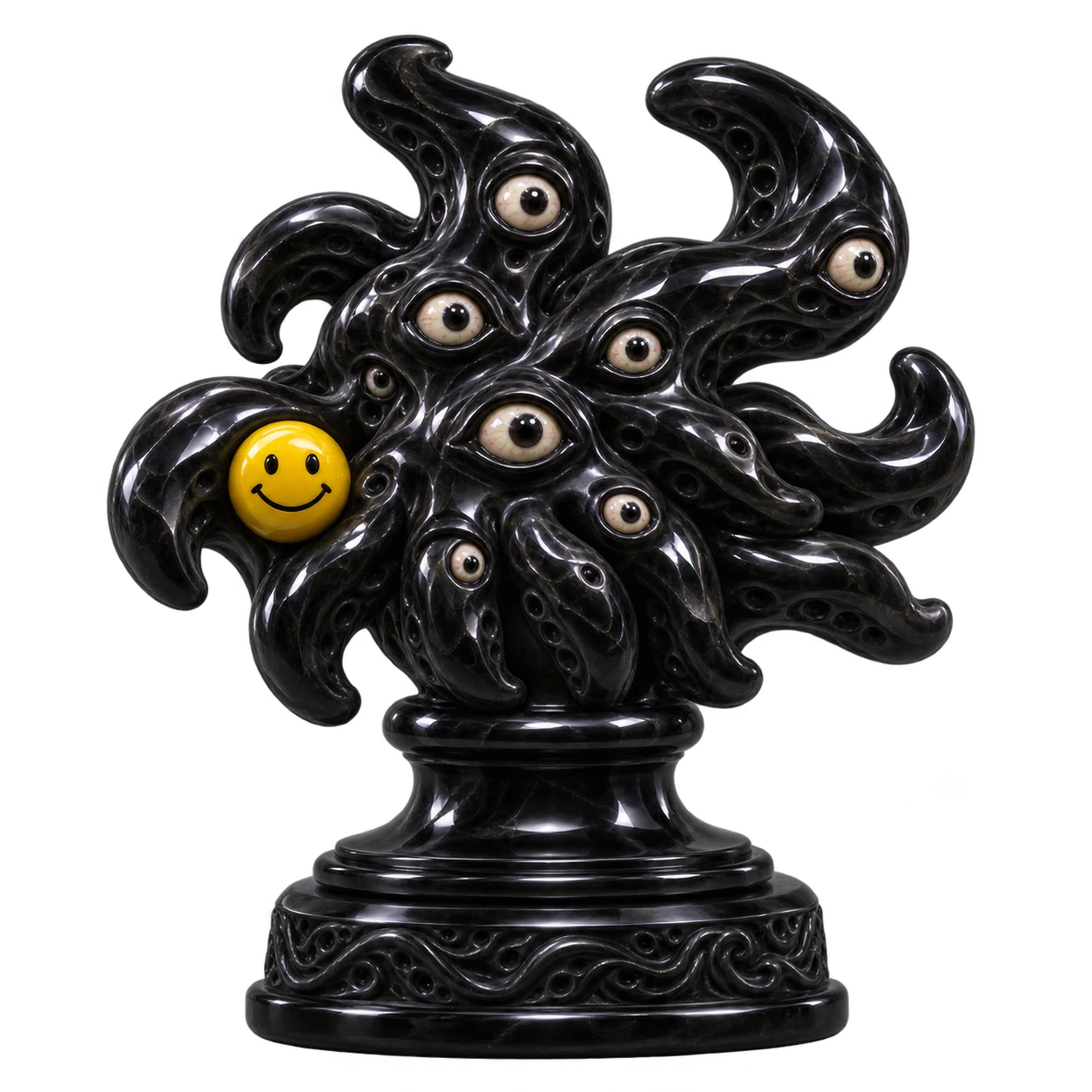 Shoggoth
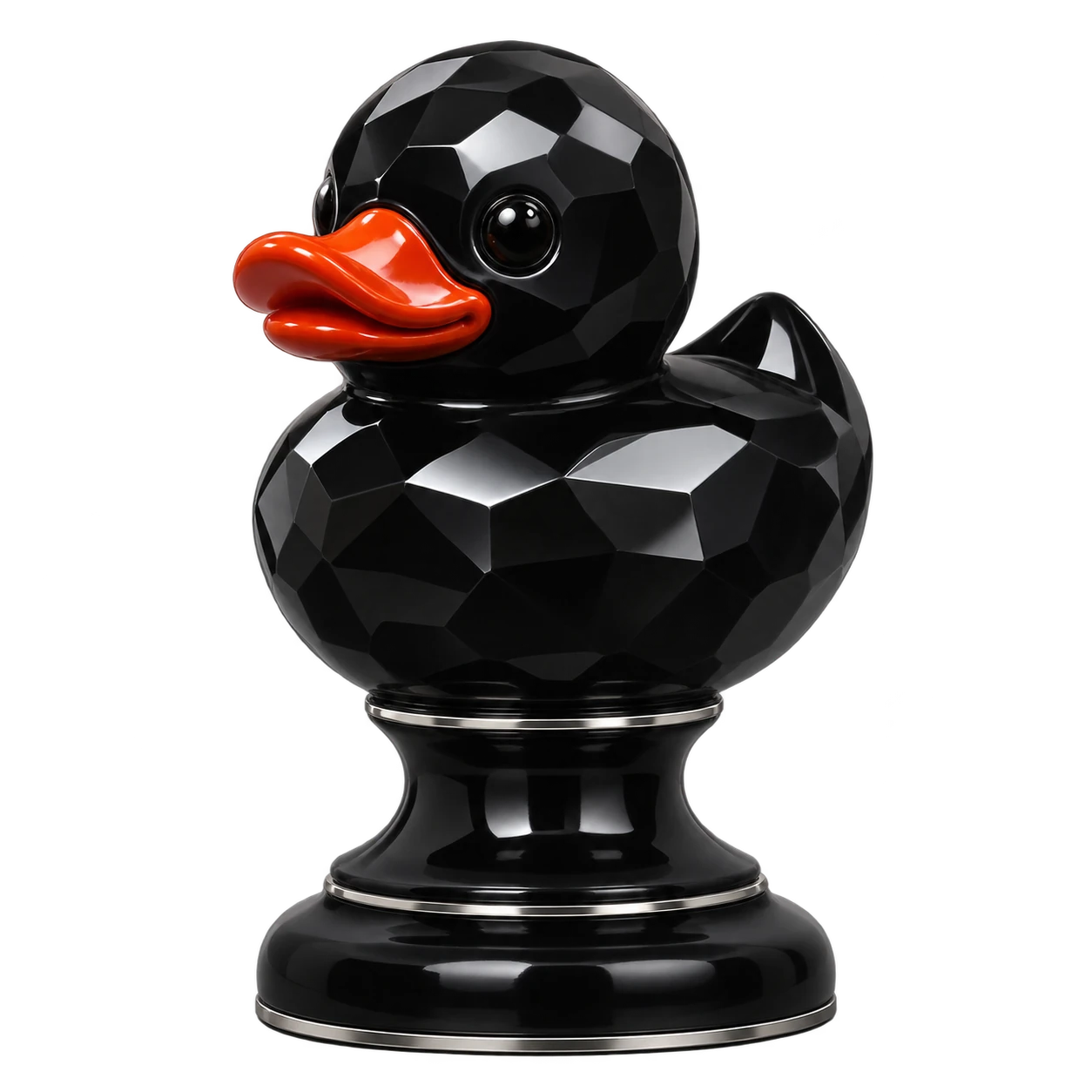 TEH EPIK DUCK
 Nailong
Let’s see which games stick.
AI helps us build today. We’d like it to help search for good games, too. AlphaZero research and GAVEL offer precedents.
- 01
Build
Save executable, versioned rulesets.
- 02
Explore
Test side bias, repetitive play and suspected forced wins.
- 03
Keep
Let players judge clarity, counterplay and replayability.
This workflow is proposed. AI could help explore and evaluate countless variations, but human play tells us which games people actually enjoy. Small daily tournaments, with time to learn unfamiliar setups, might help us discover which games are worth returning to.
Make something people love. Share in what it earns.
Phase 2 explores value in the game and in the work behind it. Suppose you discover a wonderful variant. You refine it with friends, build a following, and people start paying for a league, a physical set or a club night. The people behind that success should share in it.
Another possibility is to play chess with tokens you actually own. Imagine a variant where each player brings token-backed pieces onto the board. Under rules both players accept, capturing a piece could transfer its token to the capturing player. Replenishing an army might mean acquiring more tokens, while captured assets could leave the game, enter DeFi or be used elsewhere in the Arcade. This could create an entirely different way to encounter and exchange memecoins. It’s one direction to explore, not a feature we’ve committed to build, and real-value play would require careful security, consent and legal design.
Or imagine you design a piece that makes nearby squares dangerous. Fartcoin suggests itself. If that piece becomes a favorite across other people’s games, an agreed share of their revenue could reward its creator.
A monthly subscription could distribute a revenue pool, after declared costs, toward the variants subscribers actually play. A successful variant’s team could earn most of the revenue attributed to it, with agreed shares for reused pieces and other contributions. A tournament could fund its organizers, featured-game creators and shared tools.
For example, 1,000 RNNR in distributable revenue could send 800 to the variant team, 100 to a piece designer and 100 to shared infrastructure. That’s 90% to contributors and 10% to the platform. This illustrative split would be agreed for each experiment.
- Variant team
- 800 RNNR
- Piece designer
- 100 RNNR
- Shared infrastructure
- 100 RNNR
Some experiments might send all distributable revenue to creators, with maintenance funded by patrons, grants or another agreed source. The question is what keeps the games, contributors and shared tools thriving.
That is the regenerative cycle we want to build: useful work makes games people value; income rewards that work and maintains the commons; better tools invite the next contribution. The founding team’s pledge is to participate, keep shared costs visible and route rewards toward the people creating value.
The Arcade could track versions, credited contributions and genuine use. Smart contracts could execute agreed payments. For original or properly licensed creations, that could extend to boards and merchandise. A token alone does not grant rights to the underlying artwork or brand; the permissions still matter.
The community would agree attribution, resolve disputes and review rewards. An idea whose importance appears six months later should still have a way to earn recognition. Optimism’s Retro Funding offers a precedent for rewarding demonstrated contributions.
| Opportunity | What someone pays for | How contributors could share |
|---|---|---|
| Physical kits | Modular boards, pieces and expansion sets | Agree creator credits and a share of proceeds. |
| Events | Hosted tournaments, club sessions or sponsorship | Publish creator, organizer and infrastructure splits. |
| Premium access | Monthly subscriptions for variants, leagues and study tools | Test transparent usage-based allocations with one club. |
| Publishing | Books, courses, annotated games or licensed formats | Agree royalties for authors and game contributors. |
Shared stewardship predates crypto, as Elinor Ostrom’s work on the commons shows. We bring regen and crypto experience, but we haven’t solved the organizational problem: how much coordination is useful, who funds it, and how do creators retain freedom to build and fork?
That is part of the invitation. A creator could build an income around a game people love. Patrons could support common tools and research; investors could back commercial projects under separate terms.
There are more rabbit holes.
We’d like the Arcade to make it easy to copy a game, change it and publish your own version. One possibility is a network of independent Memecoin Chess forks sharing useful underlying infrastructure, including player discovery. If a contributor develops a game and the larger community chooses a different direction, they should still be able to continue their own version under clear, compatible licenses. Collaboration should make everyone stronger without locking anyone in.
Four-player chess already exists. Could a separate fork make a hundred-player board enjoyable? That is a design question, with plenty to solve.
Phase 3 could be a separate game assembled à la carte, with AI helping turn ideas into playable changes. A capture might become a short fight, as Archon explored: perhaps a pawn catches a knight before it draws its weapon, preserving the advantage earned on the board.
A favorite variant might become a beautiful physical set or a virtual-reality arena. The community can decide which of those later possibilities is worth pursuing.
Come play. See what happens.
For now, we’re looking for the first few people willing to play an imperfect early game and help make it better. The UX needs care, the mechanics need testing and there’s plenty left to discover. We need chess judgment, artistic taste, code, questions, contrarians and cheerleaders.
A small founding community could make something people around the world keep using and improving. That would be a very good use of a few evenings.
Come for a game or an airdrop. Stay for the part you want to make better. Send your email or X handle, plus an optional public Solana wallet address for the airdrop. No wallet yet? Start with your contact details.